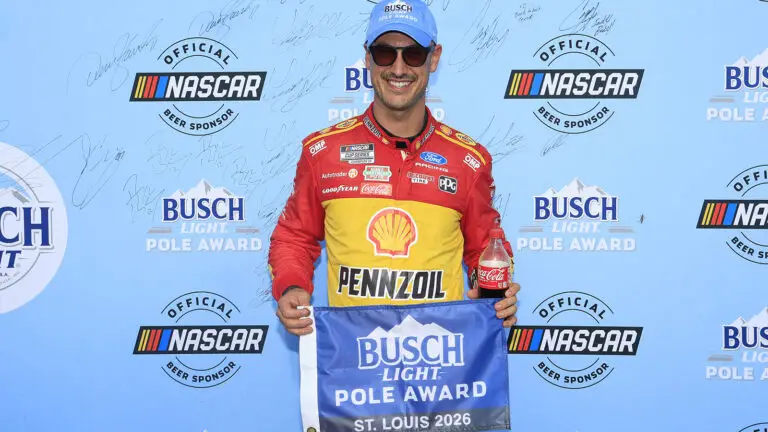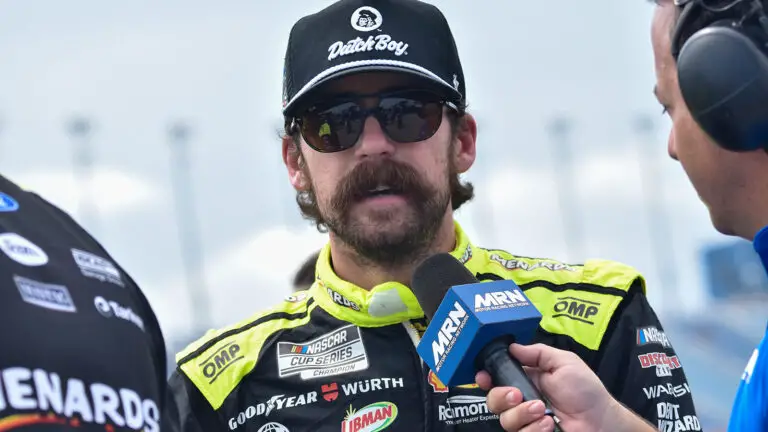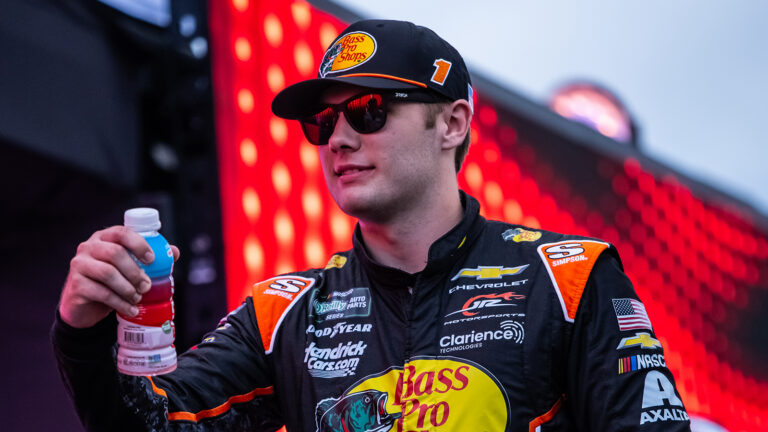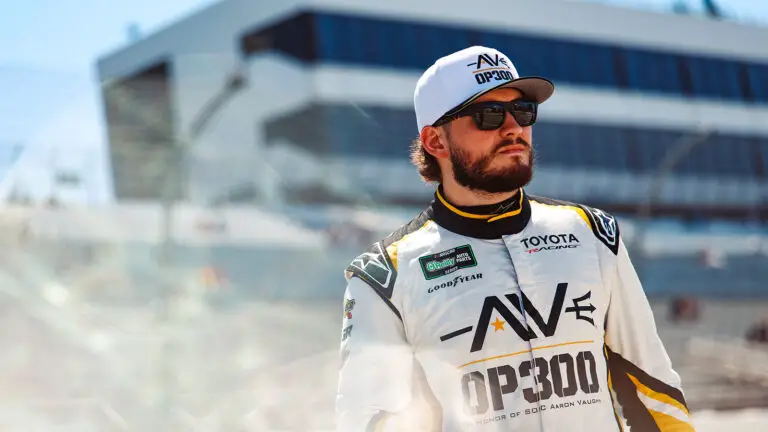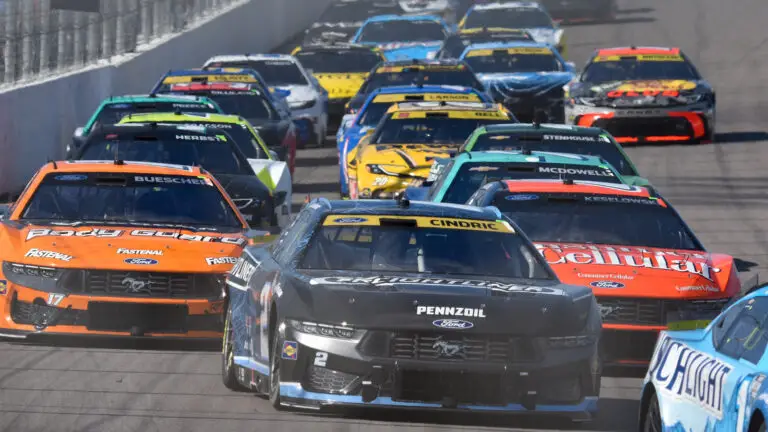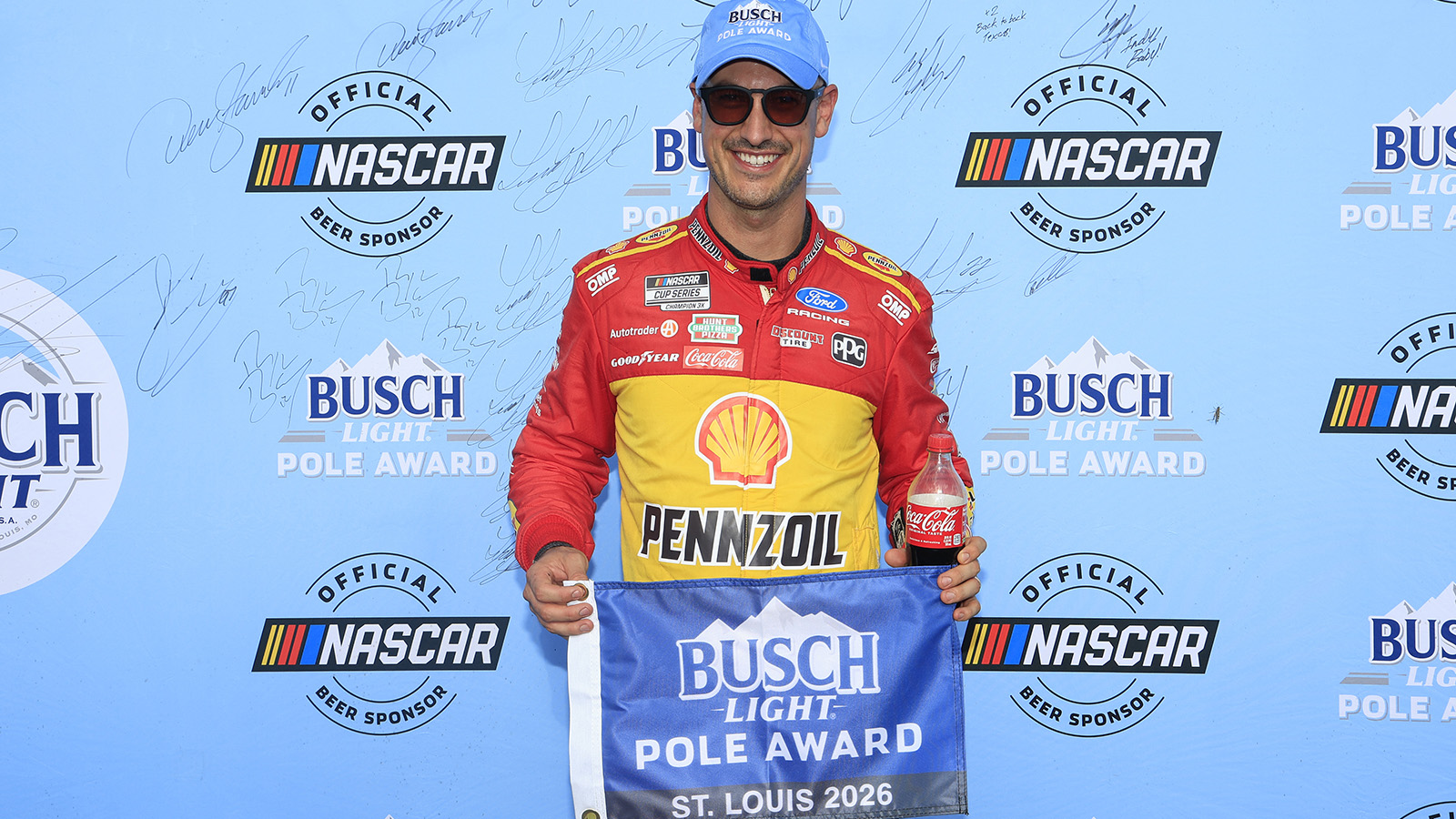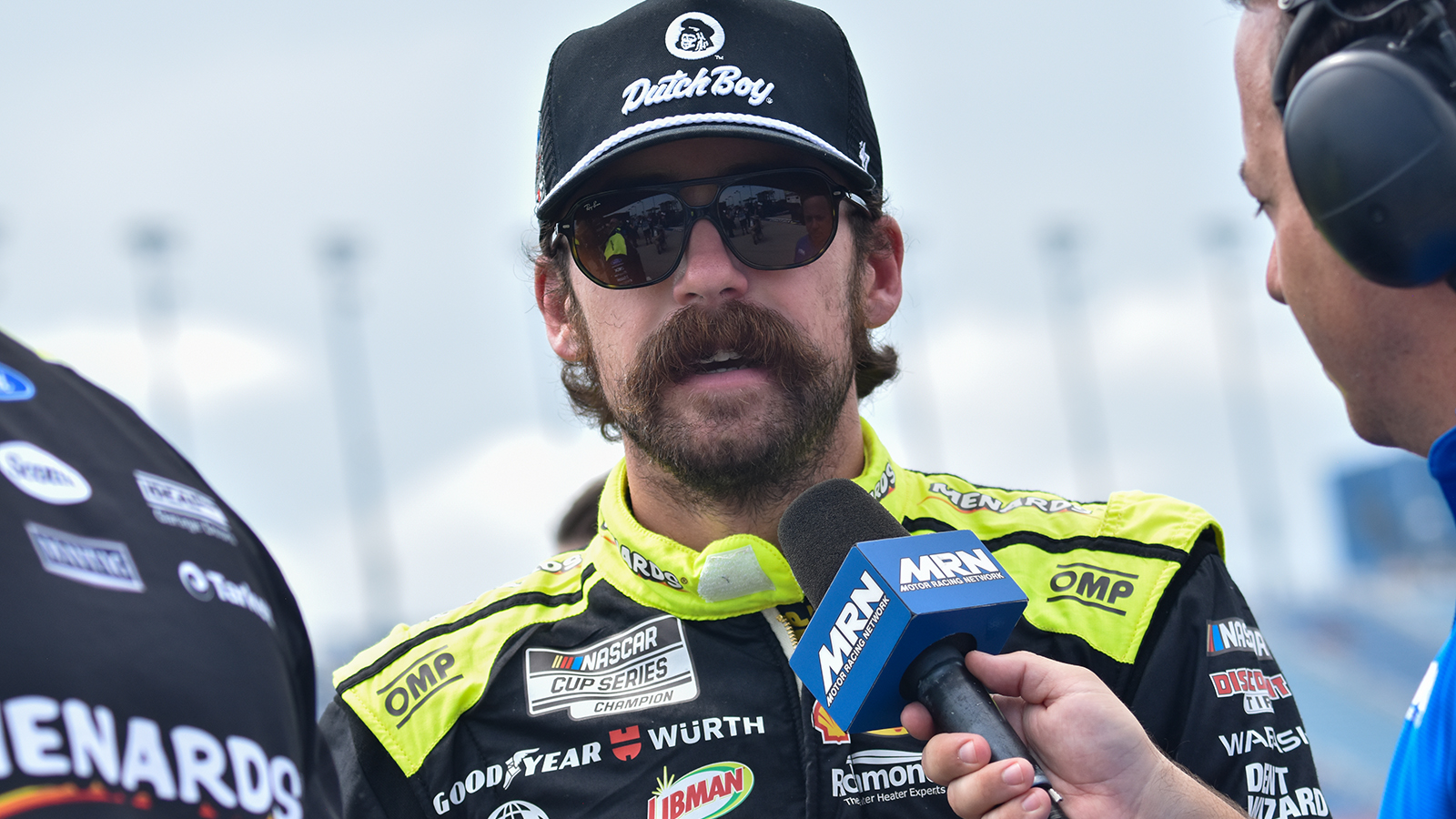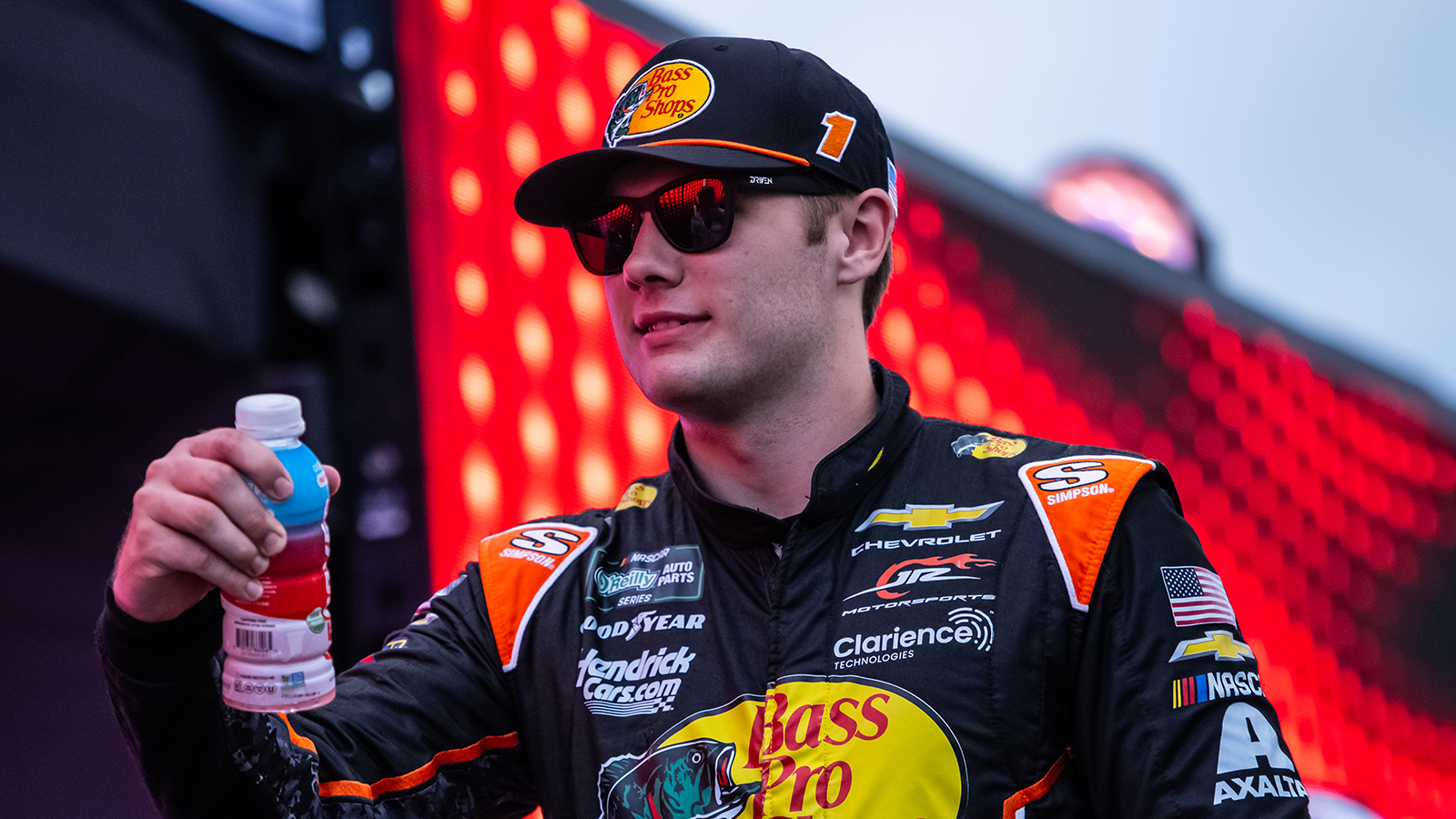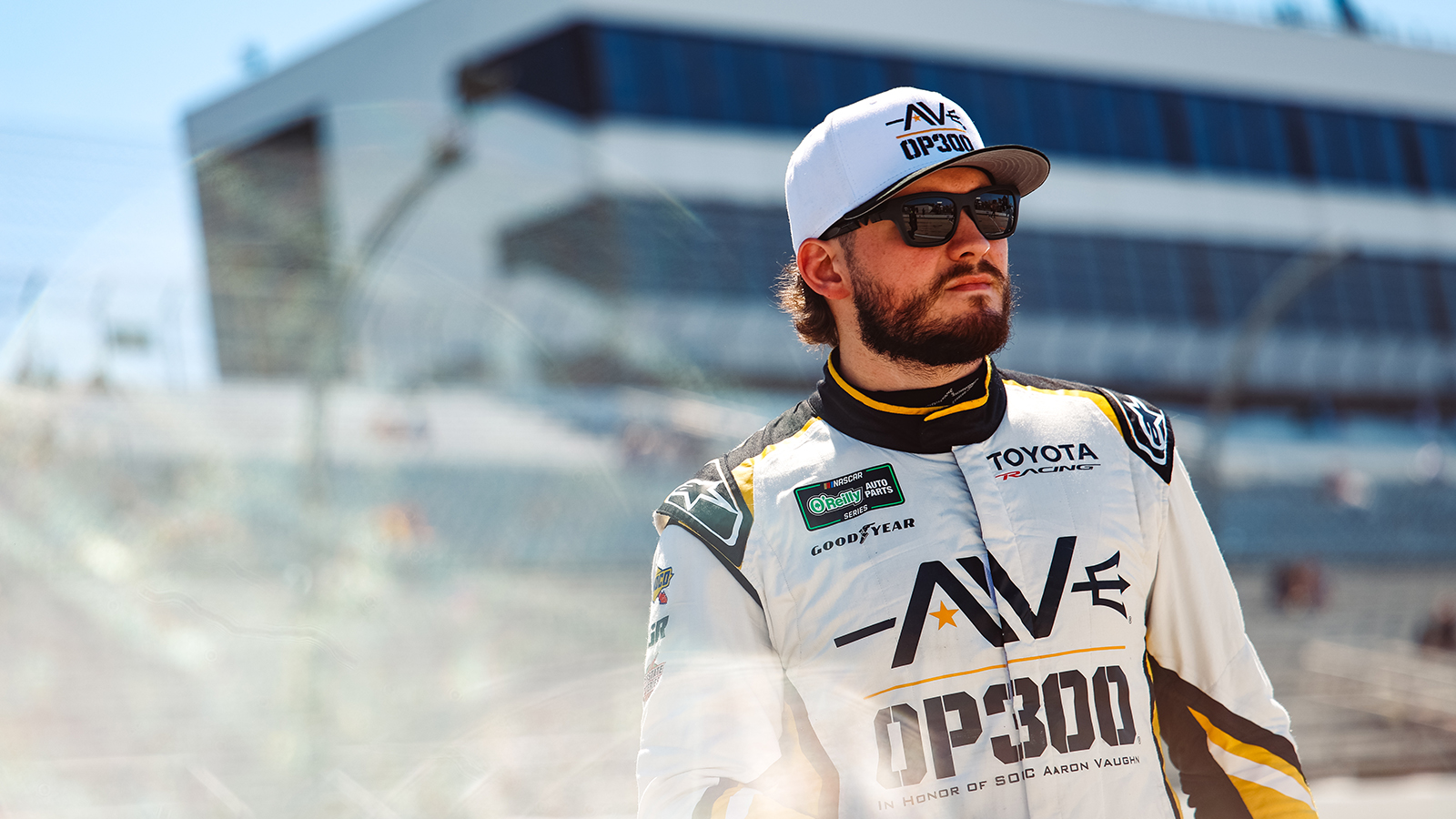

At the halfway point of the 2026 NASCAR Cup Series season, Ford Racing has just one win to show for its efforts so far, a Ryan Blaney win which came at Phoenix Raceway, the fourth race of the season. While Ford has struggled mightily, Toyota Racing has come to life this season, as that manufacturer has already piled on 11 victories.
In Friday’s practice session for Sunday’s eero 400 at Chicagoland Speedway, the Toyotas were once again strong, as Riley Herbst paced the session, driving the No. 35 23XI Racing Toyota, and six Toyotas slotted inside the top eight positions by the session’s end.
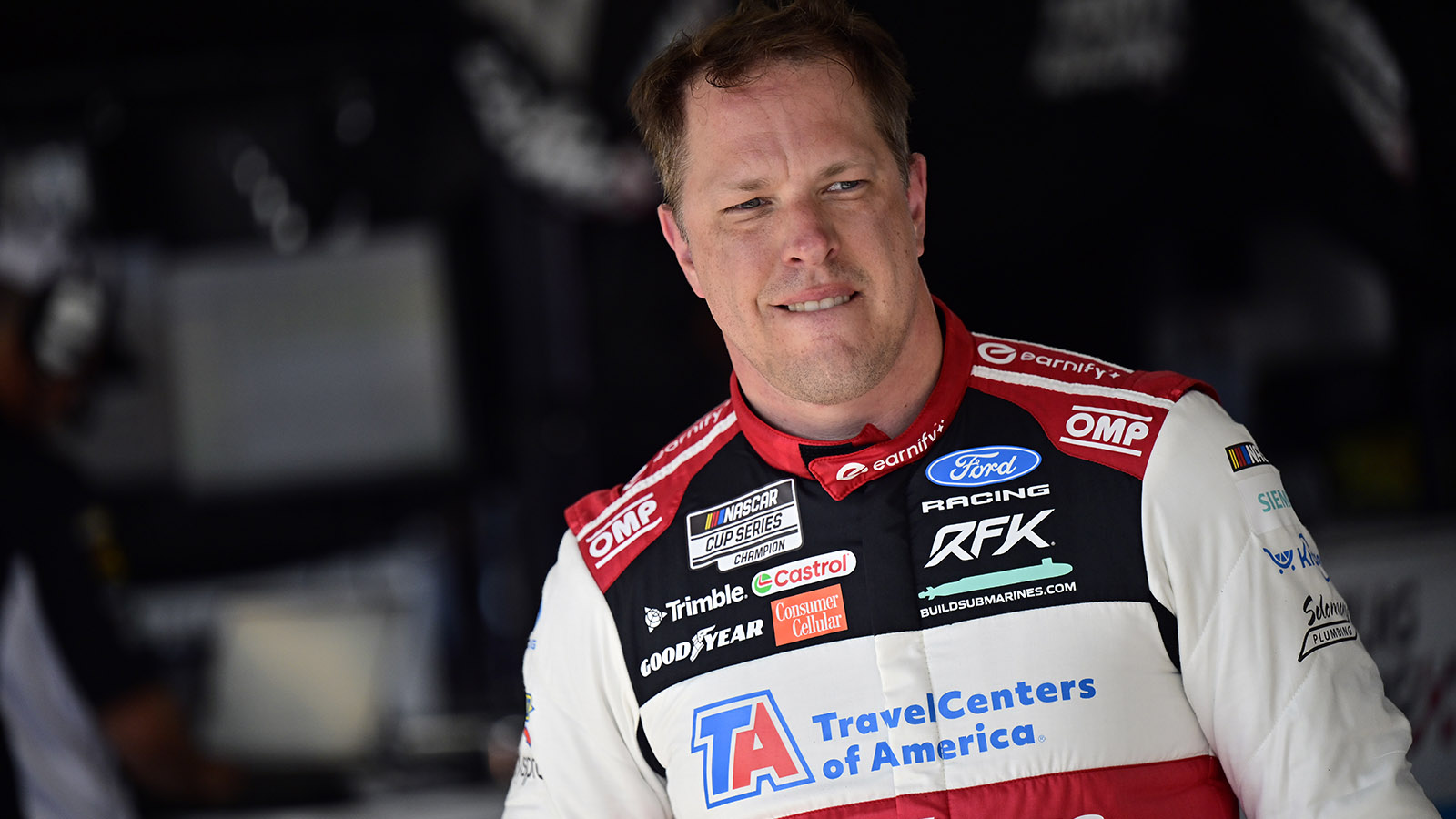
During a media availability at Chicagoland Speedway on Friday, Brad Keselowski, who drives the No. 6 RFK Racing Ford and is a co-owner of the race team, explained that Toyota has gained the upper hand on the other OEMs through great decisions made behind-the-scenes.
“We’re having one of these seasons where it looks like Toyota is going to dominate throughout, and there’s a great argument to be made that they’re winning races in the boardroom with really great decision making,” Keselowski said. “And they deserve the credit for that success.”
To understand why Toyota is so dominant in 2026, you have to go back to where the modern NASCAR landscape, as far as the OEMs go, was shaped. According to Keselowski, OEM decisions that were made around the 2020 season have taken us down this road.
During that time, Keselowski explained that the OEMs essentially decided that instead of trying to elevate the performance of multiple organizations within their umbrella, they instead decided to throw all of their eggs into a single basket.
“The OEMs all, either consciously or subconsciously, decided who their favorite [team] was because they had to, or felt like they had to. And I think you’ve seen that now with how the last six or seven seasons have played out, where it’s the top organization at each OEM,” Keselowski explained.
However, Keselowski feels that while the sport continued chugging along in that manner, Toyota Racing got smart and realized that there is greater strength in numbers, and chose to start working together with its teams rather than allowing one team within the OEM umbrella to have all of the information and data.
“What’s become unique, I think, over the last two or three years specifically, and I’ll give a lot of credit to Toyota for this. They’ve recognized that this stalemate is not necessarily good for the sport or for them as an OEM, and they have done a lot of things to push elite collaboration amongst their top organizations,” Keselowski noted.
“So that they have, you know, for reference, they have two “A-organizations” rather than an A, B, and C. As I’ve seen to date, the other OEMs have not done that, and Toyota is making them pay for that with results on the racetrack.”
While Toyota has been putting a hurting on the rest of the field this season, Keselowski says that the OEM deserves to take a victory lap for the moves it’s made to gain an advantage over the field, and that his RFK Racing team is doing everything they can to position itself within the Ford camp to be ready to be one of those “A-teams” within the Ford contingent if their OEM decides to do something similar.
“They deserve credit for that. It’s a really great behind-the-scenes move that they’ve taken full advantage of that is legal, and probably should be. The challenge that I see is, will the other two OEMs actually kind of react to that? I haven’t seen that at the moment,” Keselowski said. “I think RFK is doing all the things it needs to do to position itself to be successful if that were to happen, particularly in the Ford camp. But at this point, we have not seen the level of collaboration at Ford that we see at Toyota, and it creates challenges for the program.”
For Keselowski, it seems like a no-brainer for Team Penske and RFK Racing to begin collaborating in a similar fashion to what Joe Gibbs Racing and 23XI Racing have done this season. However, Keselowski feels the onus is on the manufacturer to essentially force the collaboration amongst its top teams.
“In my mind, at least, I think the burden is on the OEMs and the decision-makers at the highest levels who want their programs to be successful in NASCAR to react accordingly within the rules, and there are means and measures to do that,” Keselowski said.
Will the other OEMs in NASCAR wake up and copy the measures that Toyota has taken that have given them a clear-cut advantage in 2026? That remains to be seen, but if they don’t do something and quickly, Toyota is likely going to run away with the NASCAR Cup Series championship this season.