
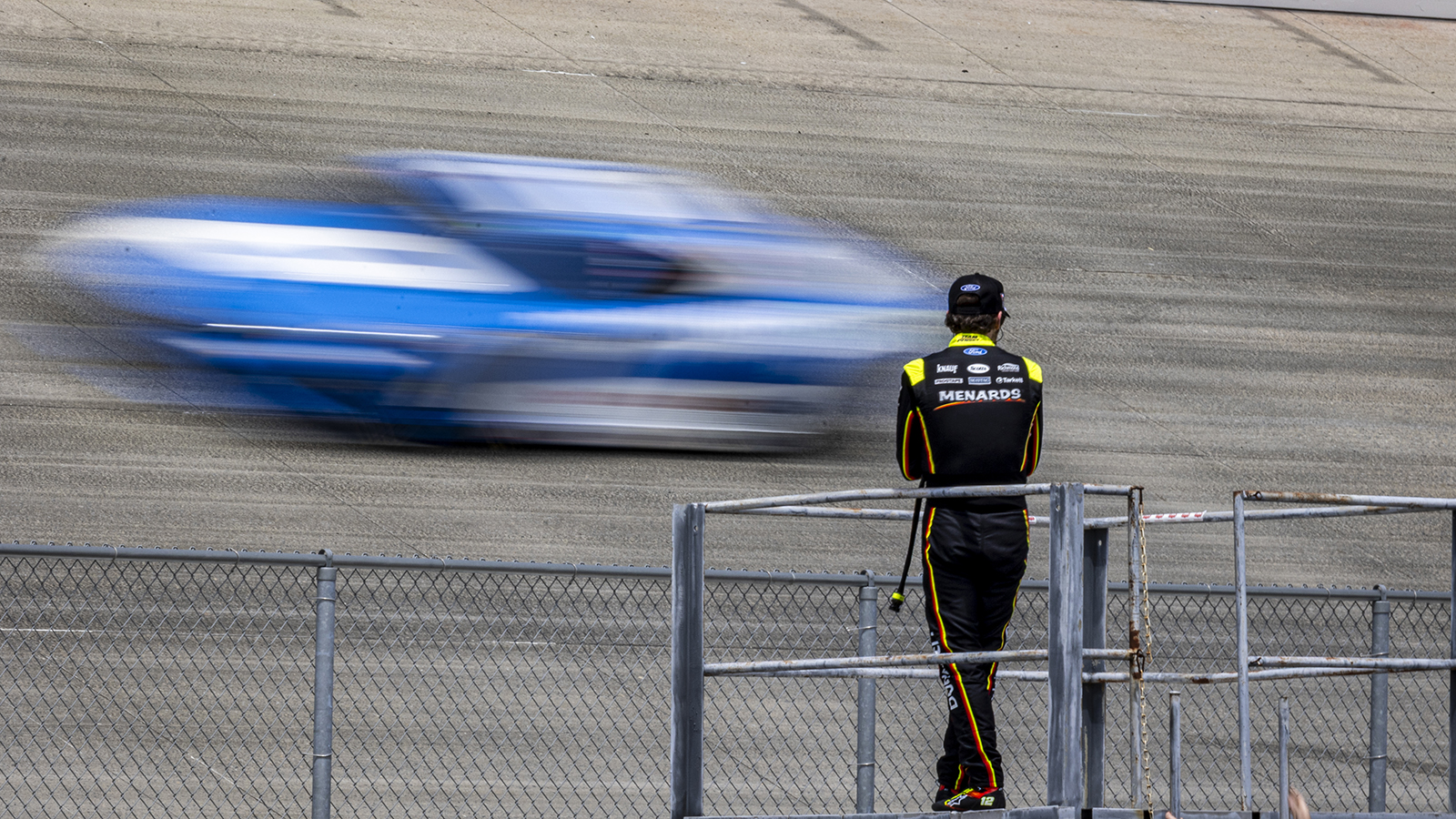
Going into the NASCAR All-Star Race Weekend, I had reservations about the race being contested at the 1-mile Dover Motor Speedway. Hell, I know we all did. And while a large portion of us were correct in our assessment, it was likely for a different reason than most of us expected.
I feel like many of us expected lackluster follow-the-leader racing in Sunday’s race. Thankfully, Dover proved with the short-track aero package that the racing product at the facility is very strong. However, as a venue for the All-Star Race, Dover lacked that true All-Star feel, and in the end, the self-cleaning nature of the track wreaked far too much havoc.
Instead of the usual Dover parade, where just a handful of cars finish on the lead lap in typical points-paying events, we got the opposite. The Monster Mile was ready to live up to its name on Sunday afternoon, as the opening two segments of Sunday’s NASCAR All-Star Race were reduced to an absolute shit-show of epic proportions.
Two massive crashes in the opening 75 laps of the event, including a nine-car melee on Lap 2, severely thinned the herd of drivers, who were able to compete at full speed for the remainder of the afternoon.
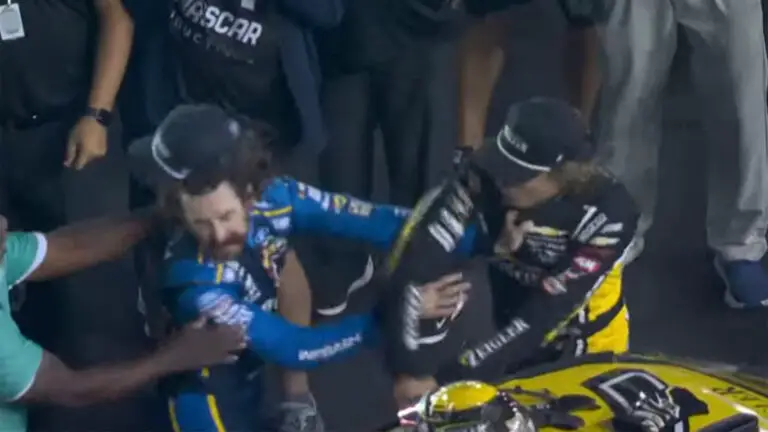
The overwhelming chaos in the opening two segments of the race took the wind out of the sails for NASCAR’s All-Star event, as several of the sport’s biggest names, including Chase Elliott, Kyle Larson, Ryan Blaney, and Ross Chastain, saw their afternoons severely hampered before the battle for the $1 million showdown began.
While Larson and Blaney were able to get their cars repaired in time to at least putt-putt around on track in the final segment, Elliott, the sport’s most popular driver, and Chastain, one of the most polarizing drivers in the sport, were unable to take their rightfully earned positions on the starting grid for the All-Star Race’s final segment.
Instead, two other drivers, who had not initially earned the right to be considered “All-Stars,” were given a pass through to the final segment. With six drivers already slated to advance to the All-Star Race through the opening two segments, the tally was at EIGHT drivers, who made it into the final segment, who were not All-Star caliber drivers heading into the weekend. That’s simply too much.
It was a head-scratching All-Star format to say the least.
And let’s just say the decision to axe the All-Star “Open” Race in favor of just lumping all 36 cars into the opening two segments of the All-Star Race will likely be a one-time miscue, as NASCAR likely wasn’t pleased to see Elliott and Chastain not on track for the final segment.
In addition to restoring the All-Star Open, I hope that next year, NASCAR and Speedway Motorsports jointly conclude that any format that forces fans to keep the calculator app open on their iPhones to understand who will advance in the event is horrendous.
Having 26 drivers slated to battle for the win in the All-Star Race is a travesty. Erik Jones, who advanced from the opening two segments and finished third overall in the All-Star Race, said it best.
“Yeah, I mean, I was an Open guy, but to be honest, I wasn’t a fan [of the format],” Jones said after the race. “I think the All-Star Race is supposed to be exclusive, and having two Open guys in, or three with the fan vote for years, was, I thought, okay. But today was definitely a pretty extreme step, and ruined some guys’ days before they even got started.”
What does it say about your sport if not being an All-Star is a more exclusive club than being an All-Star? For one, it means you’ve watered down what it means to be an All-Star, and two, you likely have an overly sensitive sport that is afraid to be honest, and let fringe contenders realize they may be good, but they aren’t quite elite.
The vast majority of the drivers in the NASCAR Cup Series are good, but not everyone can be considered elite, and the sooner the NASCAR industry understands that, the better off it will be.
Also, one last gripe about this year’s All-Star Race: Can we increase the freaking prize for the winner of the All-Star Race?
The winner of the All-Star Race has taken home $1 million for the last 24 years. Talk about a stagnant, tired way to promote how exciting the All-Star Race will be because drivers are going to duke it out for a prize, which was considered large two and a half decades ago.
While those were the bad aspects of Sunday afternoon, I do have to say it was encouraging to see improved racing at Dover Motor Speedway with the short track package.
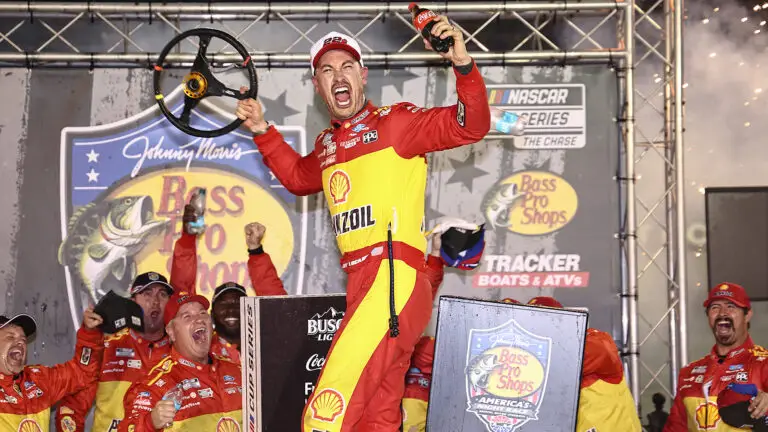
Sure, the race was always going to obviously be a Denny Hamlin win from the drop of the green flag in the final segment, but Chase Briscoe was able to give enough of a challenge to Hamlin throughout for it to remain interesting.
Connor Zilisch also had one of the best runs of his young NASCAR Cup Series career in this race. The driver worked his way up to the third position before an equipment interference penalty on pit road sent him to the back of the field.
However, that couldn’t keep Zilisch down as he clawed back through the field to finish fifth. While it was certainly a subplot, far behind the battle for the win, Zilisch continuing to show improvement on track was another great storyline to follow in the All-Star Race.
Additionally, it was great to see the Dover Motor Speedway fans show out to support the 1-mile facility. After the track, which for years hosted two points-paying NASCAR Cup Series races annually, was reduced to just an All-Star Race this season, it would have been understandable for the fans in the area to revolt and find something else to do on Sunday.
Instead, the fans showed up in droves, and as a result, they’ll likely be rewarded with Dover Motor Speedway back on the NASCAR Cup Series schedule next season. And if what we saw on Sunday is any indication, it should be a points-paying race, and not an exhibition All-Star event. And if that is indeed the case, that will be a major win for everyone involved.